Close

See our latest COVID-19 update here and watch a video from our team on Covid protocol.  

How to Make Your Life Better In Every Way Through Quality Sleep

Self-Management Strategies Coupled with Skilled Physical Therapy Is the Best Place To Start


Whether you have trouble falling asleep and/or staying asleep (disordered sleep) or have obstructive sleep apnea (sleep disorder) YOU can help YOURSELF claim quality sleep and restorative rest. 


Improved sleep can help: 

Heal Injuries    Decrease Pain    Increase Energy  

Improve Hormone Balance   Boost Immunity  


It can also minimize risk of:

Heart Disease    Obesity    Erectile Dysfunction    Headaches

Restless Leg Syndrome   Dementia    Alzheimer’s    Brain Fog ✲  and more!


Where Does Physical Therapy Fit In?


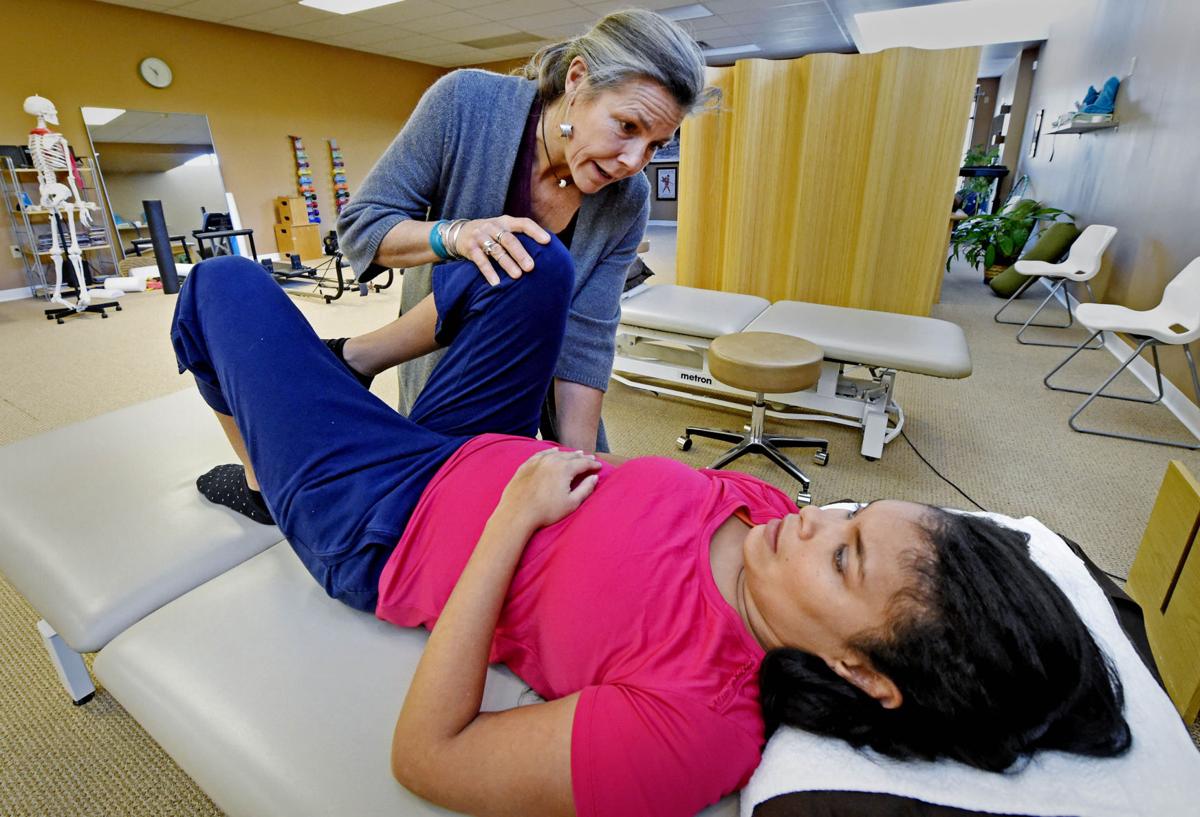
  • Hands-on Work on the Body
  • Just like we work on the back or knee, we can apply skilled manual techniques to the neck, back, jaw, face, head/cranium and even the nose that helps open the airway for more   efficient breathing.


  • Sleep postures and positioning 
  • We offer very specific positions to maximize quality sleep and minimize pain. 
  • This includes pillow and mattress selection.


  • Patient education
  • We understand how and when mouth taping, nose clearing, breathing techniques, lifestyle changes and supplements can dramatically help as sleep aids to minimize CPAP and pills. 


How to Optimize Your Sleep Space


  • Have a calm sleep space for your mind and body
      • Avoid challenging brain tasks, stressful conversations, difficult decision making, and computer work.
      • If you wake up with a busy brain have a “Nightstand Notepad” to jot down what’s on your mind.
      • Reading a physical book, meditation, prayer, breath work, etc. reduce tension and stress.


  • Set room temperature to 65 degrees
      • Reduces core temperature to help fall asleep and stay asleep.


  • Keep your body cool in bed
      • Breathable sheets and sleepwear can help maintain a lower core temperature for improved sleep.


  • Talk to your physical therapist about pillows, mattresses, and sleep positioning
      • Sleep positioning can increase comfort, improve airway function, and decrease muscle tension allowing for better sleep quality.


  • Use incandescent bulbs in your bedroom lights
    • LED bulbs reduce melatonin production.


Self Management Tips to Improve Issues with Disordered Sleep 


  • Wake up at the same time each day (research shows this is one of the most important!)
      • Getting up at the same time helps regulate circadian rhythm.
      • A sleep schedule ensures that you are maximizing the amount of full sleep cycles you complete each night (4-5 cycles is the target number of full sleep cycles).


  • Get natural light in your eyes
      • Wake up and see the sunshine to regulate your circadian rhythm and melatonin production. 


  • Hydrate before you caffeinate
  • Start your day with 16-20 oz. of water then wait 90 minutes before having caffeine. 


  • NO caffeine after 2:00PM
      • Caffeine blocks the natural chemical in our brain that makes us feel sleepy and your body. needs many hours to remove it so that you can feel ready for sleep.


  • Avoid napping after 3:00PM
      • Power Nap: 20-30 minutes to reduce sleepiness.
      • Recovery Nap: 90 minutes to help with irregular sleep patterns.
      • If you did not have quality sleep and need to be alert for the day, use the Napalatte hack: Drink a cup of room-temperature black coffee immediately before taking a 20-25 minute power nap. Since caffeine blocks the sensation of sleepiness but needs 20-25 minutes to take effect you can sneak in a power nap AND wake up more alert.


  • Avoid Alcohol 4-5 hours before bed
      • Alcohol will help you to fall asleep, but becomes a stimulant once it wears off, leading to frequent awakenings, increased snoring, and reduced sleep quality. 
      • Alcohol before bed increases Alzheimer’s risk If you have an alcoholic drink, enjoy one at “happy hour” but then follow it up with a glass of water or coconut water.


  • Avoid drinking liquids 3-4 hours before bed
      • The urge to urinate will disturb your sleep.
      • Going to the bathroom increases your heart rate making it more difficult to fall back asleep.


  • Avoid eating, especially sugar, 2 hours before bed
      • Digesting a meal or carbs/sugar increases your heart rate, making it more difficult to fall asleep.


  • Avoid screens or LED light (which are ALL blue light) 1-2 hours before bed
      • Blue light blocks natural melatonin production so the urge to sleep decreases.
      • Blue light glasses, like Theraspecs, help filter out blue light.


  • Take a hot shower or bath 20 minutes before bed
      • This heats up the skin but then as your skin starts to dry through evaporation, it cools and Stage 1 of sleep is stimulated so you fall asleep faster and easier.


  • Short walk or gentle yoga YES, intense exercise NO
      • Low intensity activity helps calm your mind and ease body tension, improving sleep quality.
      • High intensity exercise increases your heart rate and body temperature impairing sleep quality.


  • Sleeping pills are NOT helpful long term
      • They can help you fall asleep but don’t allow your body to enter Stage 3 or 4 sleep which limits recovery, repair, and hormone regulation.


  • Mouth taping can improve nasal breathing and reduce snoring
    • Promotes breathing through your nose and can reduce snoring.

Functional Manual Therapy

Functional Manual Therapy® is an approach to patient care coined and developed by Gregory and Vicky Johnson in the early 1990’s.

We are unique in that we do not have any physical therapy assistants on staff; we provide all our patients direct contact with a licensed physical therapist for personalized, one-on-one treatment sessions
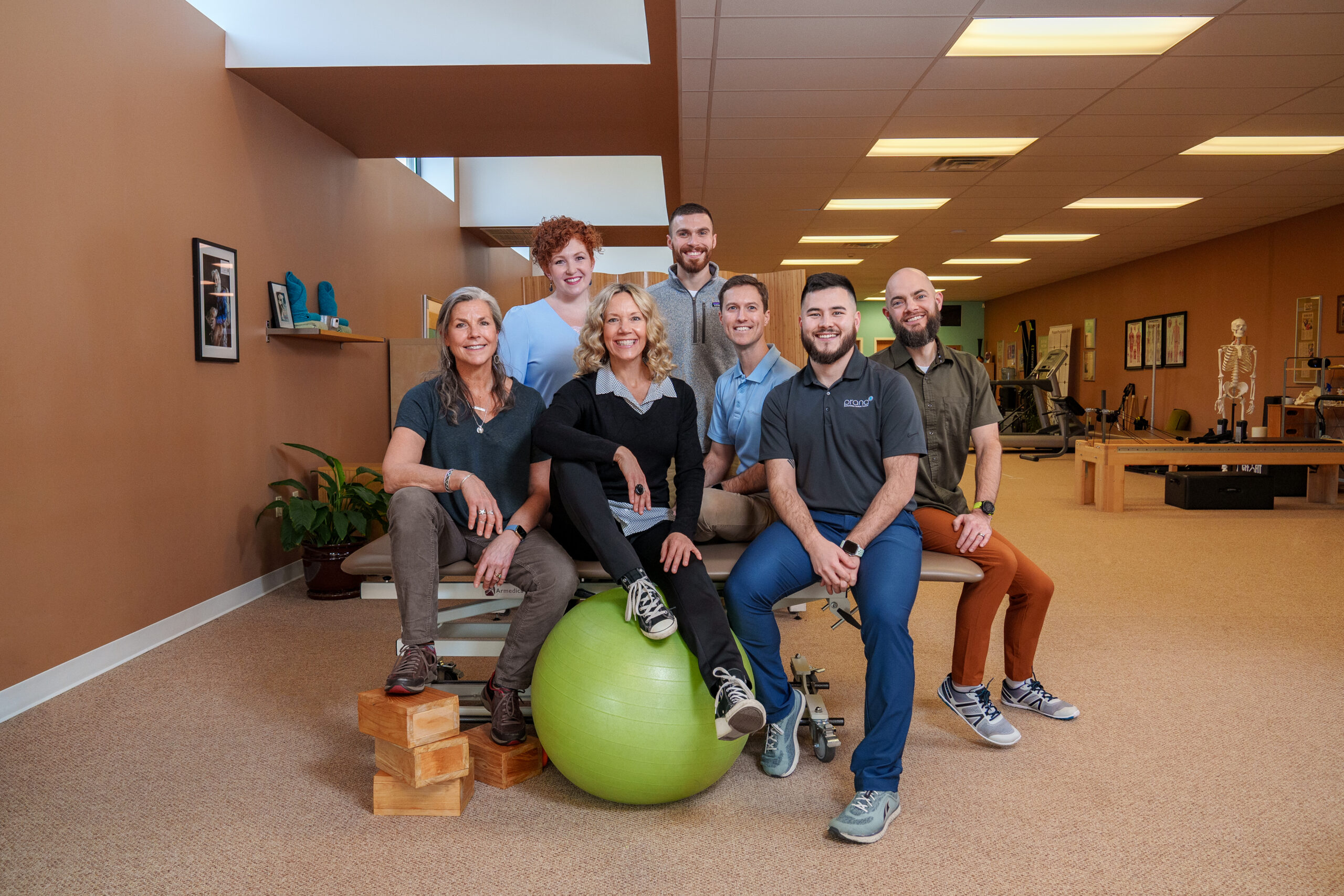
The Prana PTs

Dawn is a CFMT (certified functional manual therapist), which means she is only one of 4 in Pennsylvania to be certified with this proven, effective system for treatment of a wide spectrum of patients.

Heather, Charlie, Sean, Sophia, and Shannon are also very knowledgeable in functional manual therapy as this is Prana's paradigm of treatment.